

Billy Gibbons: el lenguaje que no necesita cambiar para seguir avanzando
En el contexto de la visita de ZZ Top a México, Billy Gibbons responde a Frontera Rock. Más que una entrevista, una lectura sobre identidad, blues y permanencia.

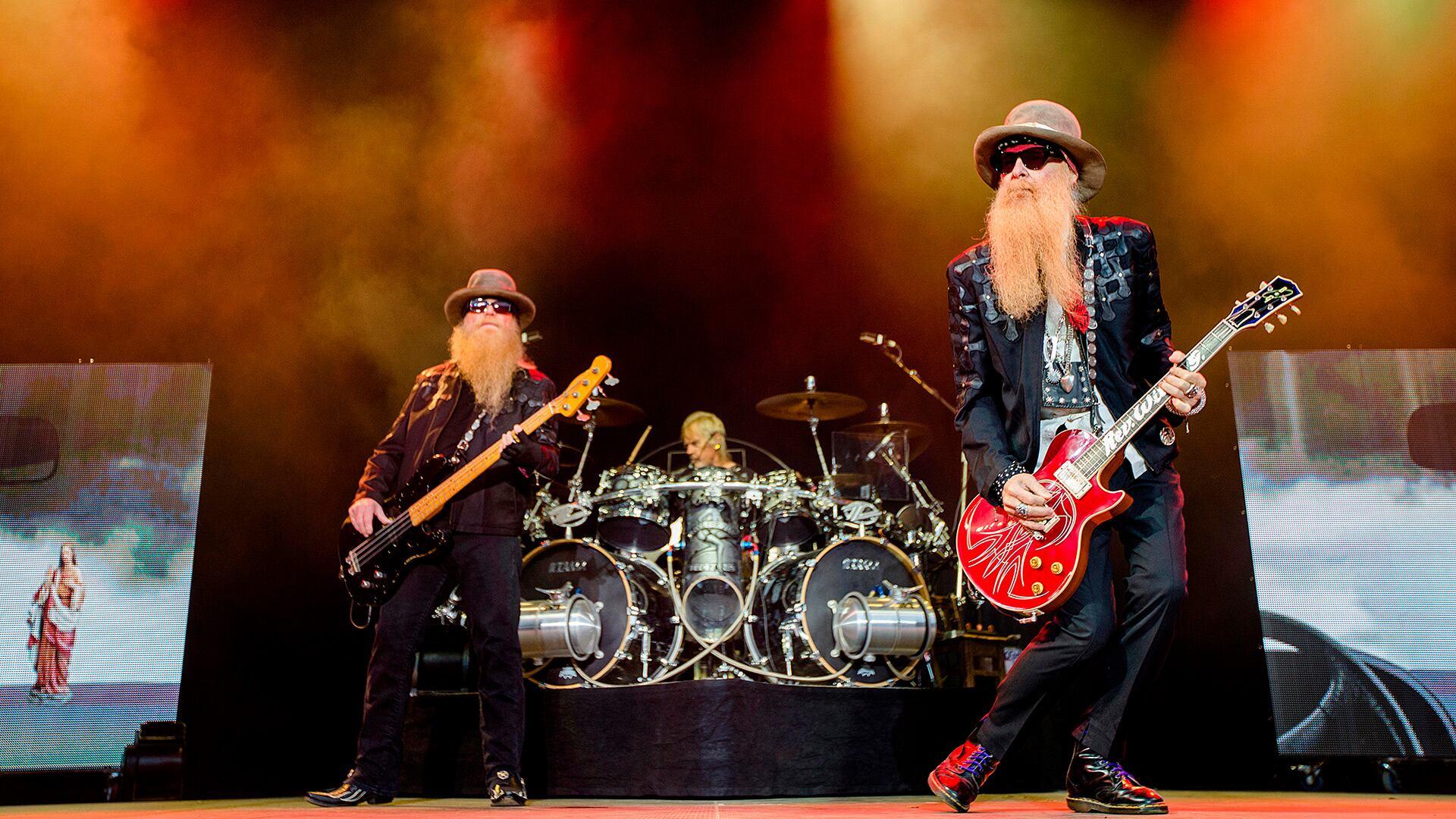
En el contexto de la próxima visita de ZZ Top a México —incluyendo su primera presentación en Monterrey—, Billy Gibbons respondió a una serie de preguntas planteadas por Frontera Rock.
Table Of Content
A partir de esas respuestas, más que una entrevista tradicional, lo que se configura es una lectura: la de un músico que ha logrado moverse en el tiempo sin alterar el núcleo de su propio lenguaje.
Hay bandas que evolucionan cambiando.
Y hay otras —mucho más raras— que evolucionan permaneciendo.
ZZ Top pertenece a esa segunda categoría.
En su caso, hablar de cambio no implica ruptura, sino una forma distinta de moverse dentro del mismo lenguaje. No se trata de reinventarse, sino de sostener una identidad mientras todo alrededor cambia. Gibbons lo plantea como una paradoja más que como una estrategia:
“We remain aimed at adaptation and exploration… the paradox, of course, is change.”
La idea no es nueva, pero en su caso se vuelve práctica: cambiar sin dejar de sonar a uno mismo.
El peso de lo que no se toca
En el blues —y en todo lo que viene de ahí— hay una lógica que no siempre se enuncia: el valor está tanto en lo que se toca como en lo que se decide dejar fuera.
Gibbons lo resume sin rodeos al hablar de su forma de frasear:
“There’s a comfortable eloquence of silence.”
No es una metáfora. Es una forma de construcción.
En lugar de llenar, se trata de elegir. De permitir que el espacio haga su parte.
Ese principio atraviesa buena parte del sonido de ZZ Top: menos como contención, más como precisión.
El groove como impulso, no como idea
Hay algo en la música de ZZ Top que difícilmente pasa por lo racional. No se explica desde la estructura, sino desde la reacción.
Cuando Gibbons habla del ritmo, lo lleva a un terreno directo:
“The beat… comes literally from the heart… it’s all-human originated.”
La referencia no es técnica, es física.
El groove no aparece como construcción, sino como consecuencia de una interacción constante dentro de la banda, una comunicación que él mismo describe como orgánica.
No hay sofisticación aparente. Hay sincronía.
De banda a lenguaje
Con el tiempo, ZZ Top dejó de ser solo un grupo para convertirse en algo más amplio: una estética reconocible, una forma de sonido, incluso una cierta idea de actitud.
Desde dentro, ese proceso no se percibe como un giro deliberado. Más bien, como algo que ocurre con el paso del tiempo:
“ZZ became part of something bigger… something unanticipated yet embraced.”
No hay construcción consciente de símbolo.
Hay continuidad.
Y en esa continuidad, eventualmente, aparece lo icónico.
La frontera como punto de contacto
Hablar de ZZ Top implica necesariamente hablar de Texas. Y hablar de Texas implica, en algún punto, mirar hacia México.
La cercanía no es solo geográfica. También es cultural.
Gibbons lo reconoce al recordar la influencia de tradiciones musicales mexicanas, particularmente de las rancheras de mediados del siglo XX, y la forma en que esas expresiones forman parte de un entorno compartido:
“We’ve gotten into rancheras of the early ’50s… we appreciate the traditions that make la cultura Mexicana so compelling.”
No se trata de una referencia superficial.
Es una convivencia natural entre lenguajes que nacen desde un mismo impulso: lo directo, lo emocional, lo esencial.
Monterrey: una llegada pendiente
Después de décadas de trayectoria, ZZ Top finalmente tocará en Monterrey por primera vez.
No es un dato menor. Es una ausencia prolongada que ahora se corrige.
Gibbons habla de la ciudad con una mezcla de curiosidad y expectativa —menciona subir al Obispado, probar el cabrito—, pero más allá de esas referencias, lo que aparece es una idea simple:
la de un encuentro que tardó demasiado en suceder.
Seguir siendo
En una industria que suele asociar evolución con ruptura, ZZ Top plantea otra posibilidad: la de permanecer sin estancarse.
No como resistencia al cambio, sino como una forma distinta de asumirlo.
Cambiar lo necesario para seguir avanzando.
Mantener lo suficiente para no perderse.
En esa tensión —más práctica que conceptual— es donde su música sigue encontrando sentido.
Las respuestas de Gibbons no buscan explicar en exceso. Funcionan más como fragmentos de una misma idea: la de un lenguaje que no necesita justificarse para seguir vigente.
Quizás por eso, más que ofrecer definiciones, lo que deja es una sensación reconocible: la de alguien que no ha tenido que cambiar de voz para seguir diciendo algo.
Y en un contexto donde la mayoría de las trayectorias se miden por reinvención, eso termina siendo, en sí mismo, una forma distinta de permanencia.
Preguntas y respuestas
A continuación, se presentan las respuestas completas de Billy Gibbons a las preguntas planteadas por Frontera Rock.
1. When you think about your guitar playing today, do you feel you’ve been refining the same language over the years, or do you hear different “voices” from one era of your life to another?
That’s a very astute question. We get the bonus sounding like “ZZ” which invites evolution over time. We remain aimed at adaptation and exploration. The constant paradox, of course, is change.
2. Your style often seems to rely on space as much as on notes — almost like phrasing in conversation. Was that sense of restraint something you developed over time, or did it come naturally from your early connection with the blues?
Yes, sometimes it’s about the space left unplayed as much as the spaces filled with the composition. There’s a comfortable eloquence of silence. Then it’s time to thrash!
3. There’s something very physical about the way ZZ Top grooves — it’s not just heard, it’s felt. How much of that comes from the blues tradition, and how much from the chemistry within the band?
Well, it’s all based on the blues and the blues is the feeling of the body. The rhythmic element comes literally from the heart. The beat is delightfully all-human originated. ZZ operates in the blues throughout, so intra-band communication is quite organic. In a way, it’s strangely a bit of telepathy. One perceives what the other guy is expressing in advance and vice versa. Perhaps it’s cellular language.
4. ZZ Top became part of a broader cultural language — not just a band, but an image, a tone, even a sense of humor. From inside, did you ever feel that shift from being musicians to becoming a kind of cultural symbol?
That cultural symbolism of ZZ Top feels like a bright light that has occurred over time. We continue playing for the folks and with that, we realized ZZ became part of something bigger with the sounds we express. The vibe is all encompassing with a plot and the unexpected plan that unfolds over time. It’s part of something unanticipated yet is embraced and celebrated as part of artistic expression.
5. You’ve moved through very different eras of the music industry — from analog recording to the digital world — without losing that core identity. What do you think allowed ZZ Top to evolve without becoming disconnected from its roots?
We always keep an open mind with a rockin’ experience for the listener as well within the band. It remains a very natural thing. There used to be a little button or badge that folks wore in earlier times that read “If it feels good, do it.” I think we’re, for the most part, about that kind of feeling good.
6. Your solo work feels more exploratory, almost like another lens on the same musical DNA. What do you find yourself expressing there that doesn’t naturally surface within ZZ Top?
There are certain expectations with ZZ Top that we attempt to fulfill out of loyalty with our friends, fans and followers. With solo works, we can stretch out a bit beyond the genres and the “did it-done it” stylings. It’s a way to build up some interesting creative steam. If there’s somebody drawn to it, that’s heartening.
7. Growing up in Texas, there’s always been a natural proximity to Mexico — not just geographically, but culturally and musically. That connection has surfaced in different ways throughout ZZ Top’s work over the years. Looking back, have there been specific elements of Mexican culture or music that left a lasting impression on you?
Absolutely. We always look forward to hanging about in and around Mexico and the fact that we can “drive-to-arrive” makes it all the more alluring. We’re steeped in the many culture tastings of Mexico with an abiding appreciation in cuisine and, of course, music. We’ve gotten into rancheras of the early ’50s and appreciate the traditions that make “la cultura Mexicana” so compelling… a case of so near yet so far yet so near.
8. ZZ Top will finally play Monterrey for the first time, something that took decades to happen. When a place has been part of the map for so long but never visited, does that first encounter carry a different kind of meaning for you?
We are beyond excited to play Monterrey. It’s been a resolute aim to ascend to the top of the Torres Obispado and to dine on cabrito. We’ve studied up and look forward to the many experiences the city offers.
9. If you had to point to a moment within the ZZ Top catalog that captures the essence of that connection between the band and its audience — not necessarily the biggest hit, but something deeper — what would it be, and what makes it representative for you?
It was probably when we first shared a bill with the Rolling Stones decades ago. We were in Hawaii, dressed totally in our usual Texana cowboy garb. Nobody at that time quite knew what to make of us. However, we made way to the deck and the audience was into it as were the Stones. We simply were being ourselves and that was a moment of appreciation for our kind of artistic and expressive candor. Needless to say, a Rolling Stones gathering anywhere and everywhere is always an event to behold and ZZ joined in all way ‘round.